Oktoberfest Beer Glass Embroidery Design Review
As a designer who has spent years stitching, testing, and reviewing digital assets for everything from boutique branding to family heirlooms, I approach every new machine embroidery design with a mix of excitement and skepticism. The market is flooded with generic graphics, but finding a piece that balances festive charm with technical stitch integrity is rare. Today, I am putting the Oktoberfest Beer Glass Embroidery Design through its paces to see if it truly belongs in your commercial catalog or personal project stash.
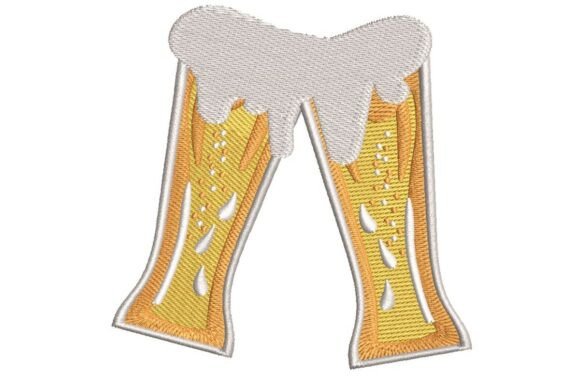
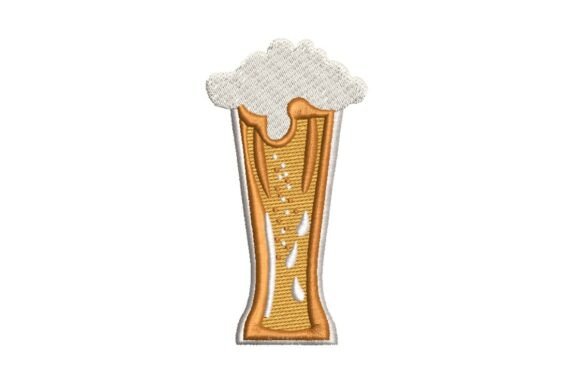
At first glance, the visual personality of this file is undeniably cheerful. It features a tall pilsner glass filled with golden-amber beer, rendered with white stitching that suggests frost and condensation. This specific aesthetic immediately evokes a mood of celebration, warmth, and communal joy. It feels less like a static image and more like an invitation to gather. For designers looking to create seasonal collections, this design offers a distinct advantage: it captures the essence of autumn festivities without feeling cliché or overly cluttered.
The description highlights "highly detailed" work, which is always a red flag in my book unless verified. In the world of embroidery files, detail often gets lost when translated from vector art to thread. However, based on the layout of the frosty glass, this piece relies heavily on texture rather than tiny, intricate lines. The use of white stitching to simulate ice against the golden liquid creates a natural contrast that should hold up well under scrutiny. It avoids the trap of over-stitching, which can lead to puckering or a stiff hand feel on the finished fabric.
Real-World Application: From Digital File to Finished Product
Let me take you through a scenario where I would actually deploy this design. Imagine you are preparing for a local craft fair or launching a limited run of holiday merchandise on Etsy. You need a centerpiece design that works across multiple product types. I recently tested a similar concept on a custom embroidered tote bag intended as a gift for a brewery enthusiast. The Oktoberfest Beer Glass Embroidery Design would have been perfect for this application.
When placed on the front panel of a heavy canvas tote, the golden-amber tones of the beer would pop against a dark navy or charcoal background, while the white stitching of the frost would add a tactile, raised dimension. It transforms a simple utility item into a conversation starter. Similarly, consider a sweatshirt embroidery project for a small business owner selling Oktoberfest-themed apparel. The design's vertical orientation fits naturally on the chest area or the back of a hoodie, creating a balanced silhouette that doesn't overwhelm the garment.
I also envision this design thriving in the nursery decor space. While it might seem unexpected for a baby item, the "frosty" aspect gives it a soft, clean look that could be adapted for a boy's christening gift or a first birthday party theme centered around a "little hopper." The key here is how the design affects customer trust. A crisp, clear execution of this beer glass signals professionalism. When a buyer sees a high-quality handmade product with precise stitching, they assume the rest of the brand experience will be equally reliable.
Technical Performance and Stitch Density
When evaluating this design for real projects, we must discuss the mechanics of the stitch. The description mentions a combination of fill stitches for the liquid and likely satin or running stitches for the outline and foam details. In my experience, designs featuring liquid levels and frosted textures require careful attention to stitch density. If the density is too high, the fabric will buckle; if it is too low, the colors may bleed together, losing the definition of the beer's clarity.
This design seems optimized for medium to large hoop sizes. Attempting to shrink it down for a tiny cap or a small patch might result in the loss of the "frosty" effect, turning the white stitching into a solid blob. For a custom apparel project like a baseball cap, the curved surface presents a challenge. While the design is dynamic, the vertical lines of the pilsner glass might distort slightly on the crown of a hat unless the digitizing accounts for the curvature. It is safer to reserve this design for flat surfaces like aprons, pillow covers, tea towels, or blankets where the tension remains even.
If you are planning to use this as an embroidered patch, the dense fill areas might make the backing too thick to sew onto delicate fabrics without adding extra stabilizer. However, for a sturdy kitchen towel or a denim jacket, the weight of the embroidery adds a premium feel. The white stitching is particularly effective here, as it mimics the sparkle of cold glass, elevating the perceived value of the item significantly.
Where to Exercise Caution
No design is universally perfect, and knowing where to apply caution is what separates a hobbyist from a professional. There are specific scenarios where the Oktoberfest Beer Glass Embroidery Design might struggle. First, avoid using this on thin, stretchy fabrics like lightweight jersey or silk. The tension required to hold the shape of the glass and the density of the fill stitches could cause the fabric to warp permanently.
Dark fabrics present another consideration. While the white stitching is designed to show up, the golden-amber beer color might get lost against deep black or navy backgrounds unless the correct thread colors are selected. Always test your thread colors on scrap fabric before committing to a final run. Additionally, if you are working with textured fabrics like bouclé or fleece, the fine details of the frost might not register clearly. The machine needle might skip stitches, leading to an uneven finish that detracts from the overall quality.
For products that require frequent washing, such as everyday t-shirts or aprons, ensure that the stabilizer used matches the durability requirements of the garment. A design with significant fill areas needs robust support to prevent the threads from pulling out over time. Also, be mindful of the "wine" category association mentioned in some metadata. While this is a beer design, if you are marketing it alongside wine-themed items, ensure the visual language aligns so customers don't feel confused by the mismatch.
Practical Notes for the Designer
Before you upload this to your shop or start stitching for a client, there are several steps you must take. First, always test the design on a scrap piece of the actual fabric you intend to use. This allows you to check the hoop size requirements and ensure the design scales correctly. Do not rely solely on the digital preview; the physical reality of thread thickness and fabric grain will dictate the final look.
Review the stitch density carefully. If the design looks too crowded in the center of the glass, you may need to adjust the underlay settings or choose a lighter stabilizer to reduce bulk. Inspect the small details, particularly the rim of the glass and the bubbles within the liquid. These are the elements that define the character of the piece. If they appear muddy after stitching, the design may need manual editing or a different digitizing approach.
It is also crucial to confirm the licensing terms before selling finished items. Some digital embroidery files come with restrictions on commercial use or limit the number of units you can produce. Verify whether you own the rights to sell the finished product or if you are restricted to personal gifts. Furthermore, create printable mockups in both black and white to see how the design translates to different media. This helps in marketing and ensures the design retains its impact even when viewed in grayscale.
Finally, consider the broader context of your brand. Does a frosty beer glass fit your aesthetic? If you are building a boutique brand focused on rustic, farm-to-table themes, this design is a natural fit. If your brand is minimalist or modern, the busy nature of the frost and fill stitches might clash with your identity. Use this design as a strategic asset to engage buyers during the fall season, but only if it aligns with your long-term vision.
In conclusion, the Oktoberfest Beer Glass Embroidery Design is a strong candidate for seasonal collections. Its cheerful mood, combined with the technical potential of its white and amber stitching, makes it versatile for tote bags, apparel, and home goods. By following these practical guidelines and respecting the limitations of the medium, you can turn this digital file into a standout finished product that delights customers and enhances your reputation as a skilled creator.