Pumpkin Machine Embroidery: A Designer's Review for Small Business Merch
As an experienced embroidery designer who has reviewed thousands of digital files for commercial production, I approach every new asset with a critical eye toward scalability, stitch integrity, and brand impact. When evaluating Pumpkin Machine Embroidery, the first impression is one of seasonal warmth and professional potential. The description promises to "celebrate the season of gratitude" and add "festive charm" to various projects, which immediately signals that this design is built for more than just home décor; it is positioned as a versatile tool for small business owners looking to elevate their Thanksgiving merchandise.
In the world of custom apparel and branded goods, a design must do more than look pretty on a screen. It must hold up under the tension of high-speed machines, maintain clarity at reduced sizes, and reinforce the specific identity of the brand wearing it. My review of Pumpkin Machine Embroidery focuses entirely on its viability for commercial applications, from staff uniforms to limited-edition product drops.
The First Impression: Personality and Brand Fit
Before we discuss technical execution, we must address the visual personality of the design. Based on the title and description, Pumpkin Machine Embroidery exudes a friendly, rustic, yet polished aesthetic. For a boutique bakery or a local florist, this vibe is invaluable. It suggests a handmade product value that customers are willing to pay a premium for. The design feels playful enough for children's items but elegant enough to appear on a high-end kitchen towel or a linen apron.
However, the key question for any merch creator is whether this design aligns with your current brand identity. If your business relies on ultra-minimalist, modern typography, a pumpkin motif might feel too traditional. Conversely, if you are building a narrative around craftsmanship, autumn harvest, or cozy hospitality, this embroidery file acts as a perfect visual anchor. It bridges the gap between a corporate logo and a decorative element, making it ideal for adding a touch of personality to standard workwear without overwhelming the brand mark.
Real-World Application: From Patches to Product Labels
Let us imagine a real-world scenario: a small café launching a holiday collection or a handmade shop creating customer appreciation gifts. How does Pumpkin Machine Embroidery perform in these contexts?
- Embroidered Patches: One of the most popular uses for this type of design is converting it into an embroidered patch. For a craft business, a sew-on patch featuring this motif can be sold as a standalone accessory or attached to tote bags and denim jackets. The design needs to be evaluated for its ability to hold fine details when stitched densely. If the outlines are clean, it will translate beautifully onto twill patches used for small business merch.
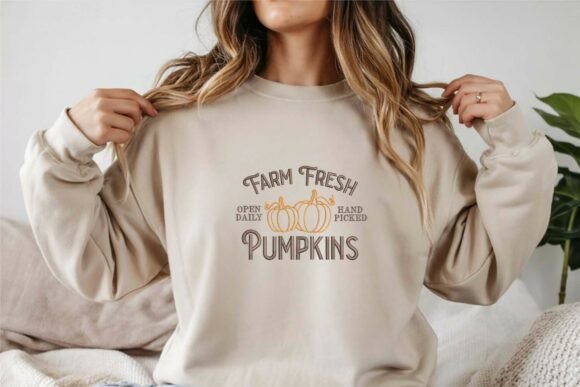
- Staff Uniforms and Aprons: Imagine a team of baristas or bakers wearing black or navy aprons. Placing Pumpkin Machine Embroidery on the chest or pocket area creates a unified, welcoming look. It serves as a subtle nod to the season while maintaining professionalism. For apron embroidery, the design adds a layer of warmth that plain logos often lack, fostering a connection between the staff and the customer.
- Caps and Tote Bags: For cap embroidery, the curvature of the hat presents a challenge. The design must be digitized to compensate for the fabric stretch. If the pumpkin motif is compact, it works well as a side detail or a small front accent. Similarly, on canvas tote bag designs, this file can serve as the primary focal point, turning a generic promotional item into a desirable keepsake.
- Product Packaging and Gifts: Many Etsy sellers use embroidery to add a "finished product" feel to their packaging. Stitching this design onto kraft paper tags or muslin drawstring bags elevates the unboxing experience. It transforms a simple transaction into a memorable event, directly influencing customer trust and repeat purchases.
Strategic Considerations and Potential Pitfalls
While the potential is high, there are specific areas where Pumpkin Machine Embroidery requires careful management. As a designer, I always advise clients to scrutinize the following before moving to mass production.
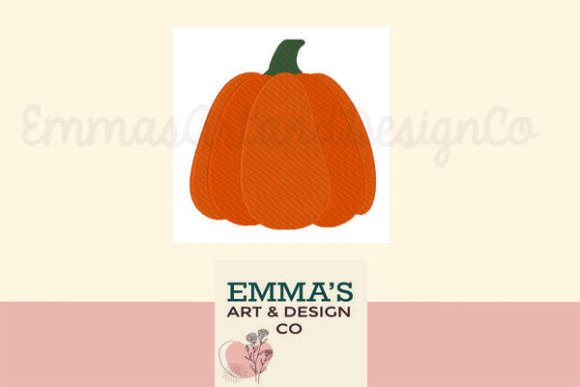
Small Patch Sizes and Cap Fronts: When reducing a design for a 2-inch patch or a cap front, intricate details can become muddy. If the original file contains tiny lettering or delicate lines within the pumpkin stem, these may not survive the reduction process. You must verify that the design remains legible when scaled down. A busy design can look like a blob on a curved surface, so testing on the actual material is non-negotiable.
Stitch Density and Fabric Texture: High stitch density is common in detailed machine embroidery, but it can cause puckering on lightweight fabrics like thin cotton or silk. For dark uniforms, the thread colors must offer sufficient contrast against the background. If the design relies on light threads for shading, they may get lost on black polyester. Always inspect the spacing between stitches; if they are too tight, the fabric may distort, ruining the professional finish of the finished product.
Frequent Washing: Items like aprons and work shirts undergo frequent laundering. The design must be durable enough to withstand friction and heat. Designs with excessive satin stitches can sometimes snag or fray over time. Ensure that the stitch density is optimized for durability rather than just visual fullness.
Impact on Brand Identity and Customer Engagement
Every stitch tells a story. Using a cohesive design like Pumpkin Machine Embroidery across multiple touchpoints—from a digital embroidery file on a website mockup to the physical tag on a garment—creates visual consistency. This consistency is crucial for brand identity. When a customer sees the same high-quality embroidery on a cap, a tote bag, and a uniform, it reinforces the perception of quality and attention to detail.
This level of presentation drives buyer engagement. In the era of social media, customers love sharing aesthetically pleasing, handcrafted items. A well-executed embroidered patch or a charming apron design becomes a shareable moment, effectively serving as free marketing for your commercial embroidery business. It signals that you care about the tactile experience of your products, which builds long-term loyalty.
Practical Designer Notes for Production
Before you upload Pumpkin Machine Embroidery to your production queue, follow these essential steps to ensure success:
- Test in Black and White: Convert the design to grayscale first. This helps you visualize the stitch density and contrast without the distraction of color. If the shapes blend together in monochrome, they will likely fail in production.
- Check Small Size Viability: Run a test at the smallest intended size (e.g., 2 inches). Inspect the edges for fuzziness and the text for readability.
- Review Thread Colors: Ensure the selected thread colors pop against your target fabric. Avoid using similar shades for the outline and the fill unless a specific texture effect is desired.
- Inspect Spacing and Hoop Size: Confirm that the design fits within your available hoop size for the specific garment. Large designs on small hoops require complex jump stitches, which can affect the final look.
- Test on Real Fabric: Never rely solely on digital mockups. Embroider a sample on the actual fabric you intend to use. This reveals how the material reacts to the needle and stabilizer.
- Use Proper Stabilizer: The choice of stabilizer is critical for preventing distortion. Use a cut-away stabilizer for heavy-use items like aprons and caps to ensure longevity.
- Create a Printable Mockup: Before sending orders to clients, generate a printable mockup showing the design on the finished product. This aids in client approval and prevents costly errors.
- Confirm Commercial Licensing: Finally, double-check the licensing terms. Ensure you have the right to use Pumpkin Machine Embroidery for custom apparel and resale items. Some digital assets are for personal use only.
By treating Pumpkin Machine Embroidery as a strategic business asset rather than just a decorative element, you can unlock significant value for your brand. Whether you are a seasoned embroiderer or a new Etsy seller, paying attention to these details ensures that your handmade product stands out in a crowded market. With proper planning and execution, this design can become a signature element of your Thanksgiving collections and beyond.