Sea Shells Embroidery: A Designer's Real-World Review
When I first opened the file for Sea Shells Embroidery, my immediate reaction wasn't about stitch counts or technical specs. It was about the mood. There is a specific kind of calm that comes from coastal imagery, and this design captures that perfectly without feeling like a cliché tourist trap. As someone who has spent years evaluating digital assets for both personal hobby projects and commercial small business merchandise, I look for designs that offer versatility and visual weight. This piece feels ready to be stitched into something tangible, whether it ends up on a nursery wall or a boutique tote bag.
The First Stitch: Visual Personality and Layout
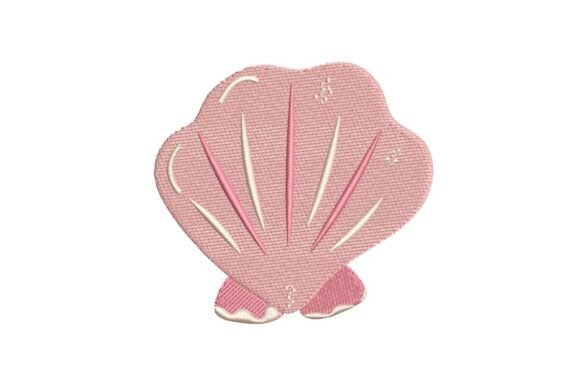
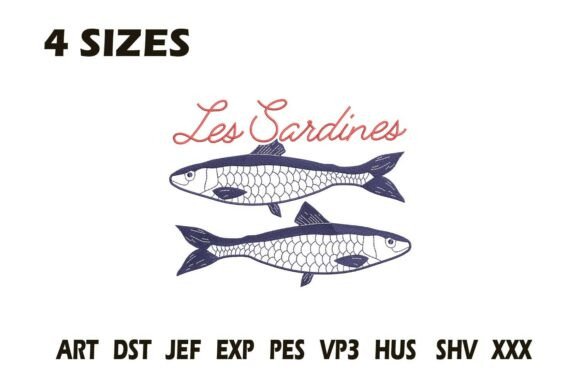
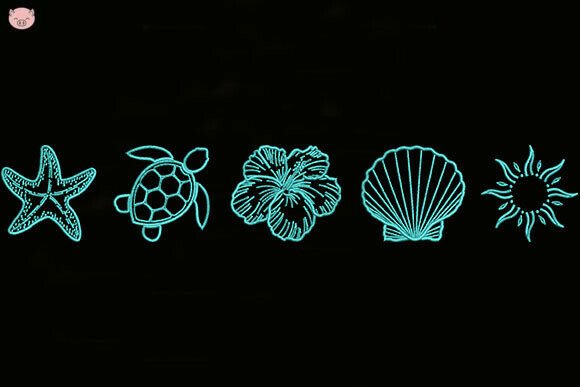
The layout of this Fish-themed collection entry is surprisingly balanced. Often, nautical designs can feel cluttered with too much detail in the center, leading to thread breaks or poor definition on smaller garments. However, Sea Shells Embroidery seems to utilize negative space effectively. The curves of the shells suggest a natural flow that works well with the organic nature of stitching. It creates a sense of movement that mimics the ocean waves, which is a subtle but powerful touch for a handmade product.
In terms of texture, the design appears to rely heavily on satin stitches for the outlines and fill stitches for the body of the shells. This combination usually promises a smooth, professional finish that catches the light nicely. For an embroidery project meant to elevate a plain garment, this level of detail is crucial. It suggests that the finished product will have a premium feel, distinct from cheap, mass-produced prints. The visual personality here is clean yet textured, making it suitable for everything from a baby onesie to a high-end apron.
Real-World Application: From Scrap Fabric to Shop Floor
Let's talk about where this design actually lives. I recently considered using Sea Shells Embroidery for a custom order of summer-themed tote bags for a local beachside pop-up shop. The goal was to create a unique accessory that customers would want to keep long after the event ended. When I ran the simulation, the design looked fantastic against a natural canvas background. The contrast between the potential thread colors and the fabric texture would create a lovely tactile experience.
However, the true test of any machine embroidery design is its adaptability. Imagine taking this same file and placing it on a dark navy sweatshirt for a winter holiday gift. The density of the fill stitches needs to be just right to ensure the underlying fabric doesn't show through. If the stitch density is too low, the shells might look washed out; if it is too high, the fabric could pucker, ruining the drape of the garment. Based on the visual cues, this design seems optimized for medium-density applications, making it ideal for stable fabrics like cotton twill, denim, or felt.
I also see strong potential in the home décor sector. A pillow cover featuring this motif would add a sophisticated touch to a living room or a guest bedroom. Unlike loud patterns, Sea Shells Embroidery offers a neutral elegance that fits various interior styles. For Etsy sellers looking to expand their inventory, this is a versatile asset. You could create a matching set: a kitchen towel with a single shell accent and a tea cozy with the full design. The possibilities for a craft business are endless when you have a design that bridges the gap between whimsical and refined.
Where to Exercise Caution
Even the best designs have limitations. Before committing to a production run, there are specific scenarios where Sea Shells Embroidery requires careful consideration. One of the biggest challenges in embroidery is working with stretchy fabrics. While the design looks great on rigid materials, applying it to a thin, stretchy jersey t-shirt without proper stabilization can lead to distortion. The curves of the shells might warp if the fabric shifts during the stitching process.
Similarly, small hoop sizes present a risk. If the design includes intricate details that are very close together, shrinking the size down to fit a child's hat or a small patch might result in lost definition. Satin stitches that are too narrow can merge, turning distinct lines into a solid blob. Therefore, I recommend testing this design on scrap fabric at the intended final size before running a full batch. Always check the stitch density and ensure that the hoop size allows for adequate spacing around the edges.
Another area to watch is dark fabric. If you plan to use this on black or deep-colored items, the thread colors need to be vibrant enough to stand out. Standard white or light threads might get lost against a dark background unless a specific underlay strategy is used. For these cases, using a contrasting color palette or adding a light underlay layer is essential to maintain the clarity of the embroidery file.
Design Notes for the Practical Maker
For those of us who sell our work, the presentation matters as much as the stitching. When creating printable mockups for your online store, ensure that the lighting highlights the texture of the stitches. A flat image won't convey the quality of a handcrafted item. Use this design to build trust with your buyers; they need to see that the product is durable and professionally executed.
Before you start sewing, always review the file settings. Confirm the stitch density and verify that the design works for both personal and commercial projects according to the license provided. Check whether the file includes necessary instructions for different machines. If you are unsure about the thread colors recommended by the designer, experiment with a few swatches to find the perfect match for your brand identity.
Finally, consider the end-use of the product. If you are making items that require frequent washing, such as baby clothes or kitchen towels, ensure that the design is secure and the stitches are tight enough to withstand friction. A poorly secured design can unravel over time, damaging your reputation as a maker. By taking the time to test and refine, you ensure that every finished product reflects the care and skill you put into your craft.
In conclusion, Sea Shells Embroidery is more than just a pretty picture; it is a functional tool for creative entrepreneurs. It offers the balance of detail and simplicity needed for a wide range of applications. Whether you are decorating a cap, creating a personalized gift, or building a line of boutique products, this design has the potential to elevate your work. Just remember to respect the limits of the fabric and the machine, and you will create something truly special.